
Reviewed · GOLDEN TRIANGLE TOURS
7 Night & 8 Days Private Luxury Golden Triangle with Mumbai Tour
The best part of this eight-day route is its sweep: Mughal landmarks, Jaipur’s royal sights and Mumbai’s waterfront all fit into one private trip. I like the personal guide-and-driver setup, and I like that the route includes memorable details such as Delhi’s stepwell, Agra’s sunset Taj view and Jaipur’s astronomical instruments.
The trade-off is pace. You cover four major cities, take a flight between Jaipur and Mumbai, and spend several days moving between sights. Also, the $413.48 per-person starting price does not include monument fees or flights, and hotel inclusion depends on the option you choose.
- Delhi begins with a Sikh shrine and a centuries-old stepwell, then moves on to the city’s Mughal and modern landmarks.
- Agra gets both sunset and sunrise Taj Mahal visits, plus Agra Fort and the smaller, finely worked Itmad-ud-Daulah tomb.
- The road to Jaipur includes Fatehpur Sikri and Chand Baori, two worthwhile stops that add a lot to an already full travel day.
- Jaipur’s schedule balances grand buildings with unusual sights, including a historic observatory, a stepwell and a temple complex known as Monkey Temple.
- Mumbai is explored by private vehicle, with stops near the Gateway of India, Oval Maidan, Mani Bhavan and Dhobi Ghat.
- The main extra costs are substantial enough to plan for: monument entrance fees, the Jaipur-to-Mumbai flight, meals beyond breakfast and tips are not included.
Four cities, one tightly packed route

This private tour links Delhi, Agra and Jaipur, the classic Golden Triangle, with a final leg in Mumbai. It’s an efficient way to see several of India’s best-known heritage sites if you have a week and would rather have transport and local guides arranged than coordinate each leg yourself.
The private format matters. Your group travels in its own air-conditioned vehicle, and the tour includes private local guides for sightseeing. Vehicle size depends on party size: a four-seat sedan for one or two people, a six-seat wagon for three or four, and a ten-seat minivan for groups of five to ten. That gives you a more personal setup than a large coach, but it does not remove the long drives or crowded conditions at popular attractions.
The price is listed from $413.48 per person, but treat that as a starting point, not a full trip budget. Seven nights of accommodation and daily breakfast are included only if you select an option with hotels. Monument entry fees, flights, lunch, dinner, tips, travel insurance and personal expenses are extra. The international flight into or out of India is also not included.
The title promises a luxury tour, but no hotel names or star ratings are specified. If accommodation is important to your idea of luxury, confirm the exact hotel category and what the price covers before booking. The tour does include bottled water during journeys and a battery bus ride between the Taj Mahal parking area and the monument.
Delhi starts with a stepwell and a Sikh shrine
Day one is a gentle introduction, with visits to Gurudwara Bangla Sahib and Agrasen Ki Baoli. Bangla Sahib is an important Sikh place of worship associated with the eighth Sikh Guru, who is said to have helped people during an epidemic by distributing water from the site’s tank. The visit is scheduled for about 30 minutes, so expect a short introduction rather than an extended visit.
Agrasen Ki Baoli offers a striking change of scene. This protected stepwell is about 60 metres long and 15 metres wide, with steps leading down toward its water level. It’s a compact stop, but a useful one: you get a glimpse of Delhi’s older water infrastructure and a quieter contrast to the traffic and crowds outside.
Day two covers a much broader spread of the capital. Qutub Minar, a UNESCO World Heritage site, is a five-storey, 73-metre tower built from 1193 by Qutub-ud-din Aibak, founder of the Delhi Sultanate. The schedule allows an hour. Entry is not included, so budget separately for this and other paid monuments.
The Lotus Temple offers a different kind of architecture, with its white, flower-shaped design. It welcomes people of all religions, and the planned visit is 30 minutes. India Gate, a war memorial dedicated to soldiers of British India, is a brief 15-minute stop. Parliament House is also included as a viewing stop, though the schedule does not give it a separate duration or describe an interior visit.
In Old Delhi, Jama Masjid and Chandni Chowk bring the day back to the Mughal-era city. The mosque, built by Shah Jahan between 1650 and 1656, is among India’s largest. Chandni Chowk is a busy market area known for goods such as spices, dried fruit, silver jewellery and saris. An hour is set aside, which gives you time to take in the lanes and shopfronts, but not to cover every corner.
Humayun’s Tomb is another major stop, with an hour scheduled. Commissioned by Empress Bega Begum in 1558, the Mughal mausoleum gives you a quieter setting after the packed market streets. Admission is extra here too. This is a full day, and the range of sites means you’ll want to save energy for walking, traffic and time on your feet.
More Golden Triangle tours in Delhi:
- 3-Days Private Golden Triangle Tour: Delhi, Agra & Jaipur by Car
★ 5.0 · 1,107 reviews - 3-Days Private Golden Triangle Tour: Delhi, Agra & Jaipur by Car
★ 5.0 · 1,098 reviews - 3-Day Delhi, Agra and Jaipur Private Tour – India Golden Triangle
★ 5.0 · 812 reviews
Agra brings the Mughal story into focus
Day three begins with the drive from Delhi to Agra, a journey of about 222 kilometres that is expected to take around four hours. After checking in, the plan includes Agra Fort, Itmad-ud-Daulah and a sunset view of the Taj Mahal. Since the day also includes hotel arrival and several visits, ask how the timing is arranged for your travel date.
Agra Fort is a UNESCO World Heritage site linked to Mughal emperors including Akbar and Shah Jahan. An hour is scheduled, enough for a guided look at its buildings and courtyards, though the complex is extensive. Entrance is not included.
Itmad-ud-Daulah is a smaller mausoleum often called the Baby Taj. Its fine stonework gives you a more intimate counterpoint to the scale of Agra Fort and the Taj. The schedule allows another hour, with admission extra.
The first Taj visit is described as a sunset viewpoint across the river, away from the main crowds, followed by Mehtab Bagh. The itinerary allocates two hours for the viewpoint and 30 minutes for the garden. These entries may refer to closely connected places, so confirm the exact plan with the operator. The key benefit is seeing the Taj from across the Yamuna rather than only from inside its grounds.
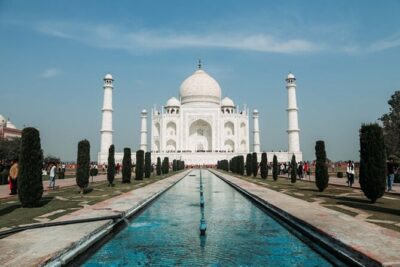
Day four starts with a sunrise visit to the Taj Mahal itself, scheduled for two hours. Shah Jahan commissioned the white marble mausoleum in 1632 as a tomb for his wife. Seeing it at sunrise is a strong reason to choose this itinerary, but it means an early start. Admission is not included. The battery bus ride from the parking lot to the monument is included.
Fatehpur Sikri and Chand Baori make a long transfer day
After the Taj, the route heads toward Jaipur, with stops at Fatehpur Sikri and Chand Baori. Fatehpur Sikri was built by Emperor Akbar in the late 16th century and served as the Mughal capital for about a decade. The plan gives it an hour. Its courtyards and buildings make a worthwhile pause, though you’ll be fitting it into a day that began before sunrise.
Chand Baori, in Abhaneri, is one of India’s largest and deepest stepwells, reaching about 30 metres below ground. A one-hour stop lets you appreciate its geometric rows of steps and unusual scale. Admission is extra. The itinerary does not state the drive times between these stops or the arrival time in Jaipur, so expect a substantial day on the road and confirm the schedule.
You check into a Jaipur hotel that evening. The accommodation is included only with the relevant hotel option, and the room arrangement is generally twin-sharing. A booking for three defaults to one triple-sharing room; two rooms for three people incur an extra charge.
Jaipur’s forts, palaces and astronomical instruments

Day five is the main Jaipur sightseeing day. It begins at Panna Meena Ka Kund, a stepwell near the fort area, with 15 minutes scheduled. Then comes a two-hour guided visit to the city’s most famous fort, described in the itinerary as the former Rajasthani capital until 1728. The fort’s palaces, squares and monuments make this a good place to have a local guide explain the layout rather than simply walk through.
Jal Mahal, a palace set in Man Sagar Lake, is a short photo stop. The schedule allows 15 minutes, and it is presented as a view from outside rather than a palace visit. The City Palace gets an hour. It was built as the administrative and ceremonial seat of Jaipur’s maharaja, and admission is extra.
Jantar Mantar is a UNESCO World Heritage site and a collection of 19 astronomical instruments built in 1734 by Sawai Jai Singh II, Jaipur’s founder. An hour here is valuable because the instruments make more sense with explanation: they were designed to observe and measure astronomical positions, not merely to decorate a courtyard. Entry costs extra.
Hawa Mahal, the five-storey Palace of Winds, closes the day with its distinctive pink and red sandstone façade. The schedule gives it 30 minutes, and admission is not included. The itinerary does not specify how much of that time is inside the palace, so clarify whether the stop is primarily for an exterior view or an interior visit.
More private tours in Delhi:
- Delhi: Old and New Delhi Private Full or Half-Day Tour
★ 4.9 · 3,776 reviews - From Delhi: Taj Mahal & Agra Private Day Trip with Transfers
★ 4.9 · 3,181 reviews - All Inclusive Private Taj Mahal Luxury Tour from Delhi by Car
★ 5.0 · 2,564 reviews - Old & New Delhi Private Tour – Half or Full Day (Rated Excellent)
★ 5.0 · 2,226 reviews
Jaipur’s temples before the flight to Mumbai
Day six starts with Birla Mandir, a white marble temple dedicated to Vishnu. The planned visit is 30 minutes. Galtaji Temple, often called Monkey Temple, follows. It has three sacred pools and a complex of buildings, but only 30 minutes are allocated. Patrika Gate is also listed as a stop, though its duration is not given.
After sightseeing, the driver takes you to Jaipur airport for your flight to Mumbai. The Jaipur-to-Mumbai flight is not included in the tour price, so you’ll need to arrange and pay for it separately. The itinerary allows about three hours for the airport transfer and flight portion, but does not specify the flight time itself. On arrival in Mumbai, another driver transfers you to your hotel.
This handoff is one of the tour’s more important details to confirm. Ask how the airport transfers are coordinated and whether the sightseeing schedule can be adjusted around your flight. The tour includes a driver on both sides of the journey, but air travel is your own expense.
Mumbai’s waterfront, civic buildings and working city
Day seven introduces Mumbai by road, beginning at the Gateway of India. The arch was built between 1913 and 1924 to mark the 1911 visit of King George V and Queen Mary. The stop lasts about 30 minutes, giving you time to take in the waterfront setting and the monument.
At Oval Maidan, you’ll see the University of Mumbai, Rajabai Clock Tower and Bombay High Court. The stop is scheduled for 45 minutes, though admission is not included. The Chhatrapati Shivaji Maharaj Vastu Sangrahalaya, formerly the Prince of Wales Museum of Western India, is listed for 30 minutes. That is a brief visit for a major museum, so check whether the guide intends a focused introduction or a quick look.
Marine Drive is included as a drive-by or sightseeing stop, but no duration is stated. Mani Bhavan, Gandhi’s former residence and now a museum, gets 15 minutes, with admission extra. Dhobi Ghat, an open-air laundry where workers wash clothes and linens for hotels and hospitals, is scheduled for 30 minutes. It offers a look at a working part of the city, not just its grand monuments.
The route also includes a Jain temple, with 15 minutes scheduled. Taken together, the day offers a quick overview rather than time to explore each site in depth. The private vehicle helps connect far-flung stops, but Mumbai traffic can affect how long you have at each one. The final morning is a hotel checkout and transfer to Mumbai airport.
Who should book this private tour
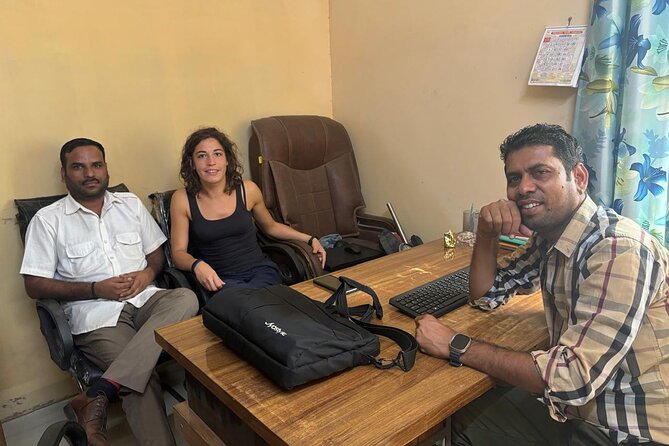
I’d consider this trip if you have eight days, want to see the main sights in four cities, and value a private driver and local guides more than a slow, independent itinerary. The positive service details associated with the operator include Gopal, Surendra and Maan Singh, with praise focused on smooth planning, helpful drivers, comfortable vehicles and guides who explain the sites and answer questions. Those names are not a guarantee of who will be assigned to your trip, so confirm your contacts before departure.
The main compromise is depth. Delhi and Jaipur each have many stops, Agra has two Taj visits in quick succession, and the Jaipur-to-Mumbai flight breaks up the trip. You’ll also need to budget for tickets, flights, meals and tips. If you prefer a slower pace, fewer cities or unhurried time inside museums, consider cutting stops or adding days.
Before booking, confirm whether your selected price includes hotels and breakfast, what hotel standard is provided, which monument tickets you’ll need to buy, and how the flight day will work. The tour is best value when you want logistics handled and can accept a brisk schedule. If that sounds right, this route gives you a broad and varied first look at India.
FAQ

Is this a private tour?
Yes. It is a private activity for your group, with private transport and local guides for sightseeing.
How long is the tour?
The tour lasts eight days and includes seven nights of accommodation if you book an option that includes hotels.
Are hotels included in the $413.48 price?
Hotel inclusion depends on the option selected. Check the exact option details before booking.
Is breakfast included?
Daily hotel breakfast is included with the option that includes hotels. The tour information also lists seven breakfasts.
Are monument entrance fees included?
No. Monument entrance fees are not included in the tour price.
Is the flight from Jaipur to Mumbai included?
No. Flight tickets are excluded. The tour includes airport transfers in Jaipur and Mumbai.
What type of vehicle is used?
Groups of one or two use a four-seat sedan, groups of three or four use a six-seat wagon, and groups of five to ten use a ten-seat minivan.
Are lunch and dinner included?
No. Lunch and dinner are not included. Hotel breakfast is included only with the applicable hotel option.
What is the room arrangement for three people?
Bookings for three people are generally placed in a triple-sharing room. Two rooms for three people require an additional charge.
Can I cancel for a full refund?
Yes, if you cancel at least 24 hours before the experience’s start time. Cancellations made less than 24 hours before the start time are not refunded.
Latest reviews from Delhi
- Taj Mahal Day Tour with Private Car and Driver from New Delhi★ 5.0 · 8 reviews
- Old & New Delhi City Private Full Day or Half Day Tour★ 5.0 · 32 reviews
- Dalai Lama Himalayan Trek★ 5.0 · 8 reviews
- Private Delhi Shopping Tour with Female Expert★ 5.0 · 7 reviews
- Private Transfer Delhi -Jaipur || Jaipur- Delhi★ 5.0 · 37 reviews
- Delhi Custom And Shopping Tour★ 4.5 · 9 reviews
- Old Delhi Morning – Fun, Food & Faith all inclusive private tour★ 5.0 · 49 reviews
- Delhi Private City Tour: Customize your own★ 4.5 · 14 reviews
Golden Triangle Tours, compared.
3-Days Private Golden Triangle Tour: Delhi, Agra & Jaipur by Car
Read our review →
3-Day Delhi, Agra and Jaipur Private Tour – India Golden Triangle
Read our review →
Four-Day Private Luxury Golden Triangle Tour to Agra and Jaipur From New Delhi
Read our review →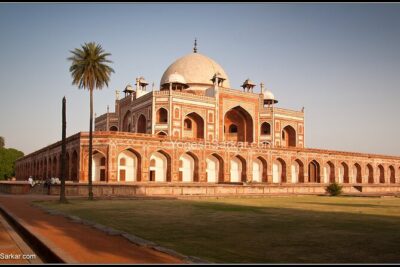
Private Golden Triangle Tour Delhi Agra Jaipur ( Top Rated )
Read our review →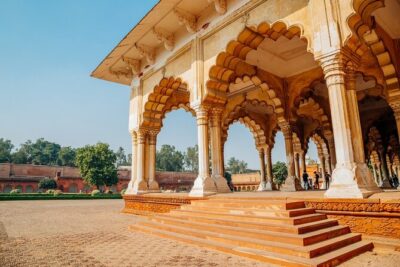
Golden Triangle & Ranthambore: 4-Day Private Tour from Delhi
Read our review →
Browse the lists this tour appears in