Reviewed · DELHI TOURS
Delhi: Textile Trail Tour with Artisan Interaction
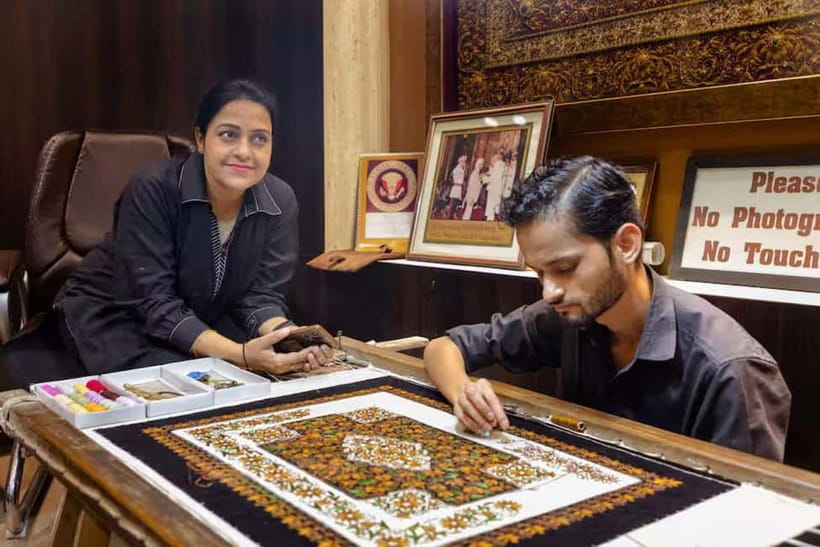
Delhi’s textile trail gets you close to the work behind India’s fabrics: weaving, block printing, embroidery, dyeing and stitching. In Old Delhi, a guide helps you navigate market lanes where the textiles are only part of the scene. You can also meet artisans and see how traditional skills carry on in workshops and craft centers.
I like two things in particular: the chance to talk with artisans, rather than just browse finished goods, and the practical help in markets that can feel hard to tackle alone. A cycle-rickshaw ride is included for the Old Delhi portion, and guides such as RK have helped visitors stay together in the traffic.
The main consideration is time. The tour is advertised as four to eight hours, but the listed stop durations add up to ten hours before travel. Ask which stops fit your available time, and remember that meals and purchases are extra.
Key points to know
- Chandni Chowk brings you into Old Delhi’s crowded market lanes, with a guided visit and a cycle-rickshaw ride included.
- Textile techniques are shown at workshops and craft centers, including weaving, block printing, embroidery and natural dyeing.
- The route can include six market stops, from Shankar Market to Hauz Khas, though the advertised duration makes it worth confirming the plan.
- A tailor may be able to make formal clothing quickly, with the tour information noting hotel delivery within four to six hours for some orders.
- Private transport and hotel or airport pickup are included, while meals, drinks and shopping are not.
- This suits shoppers and design-minded visitors best, but the tour is not suitable for wheelchair users or people with mobility impairments.
What the textile trail shows you
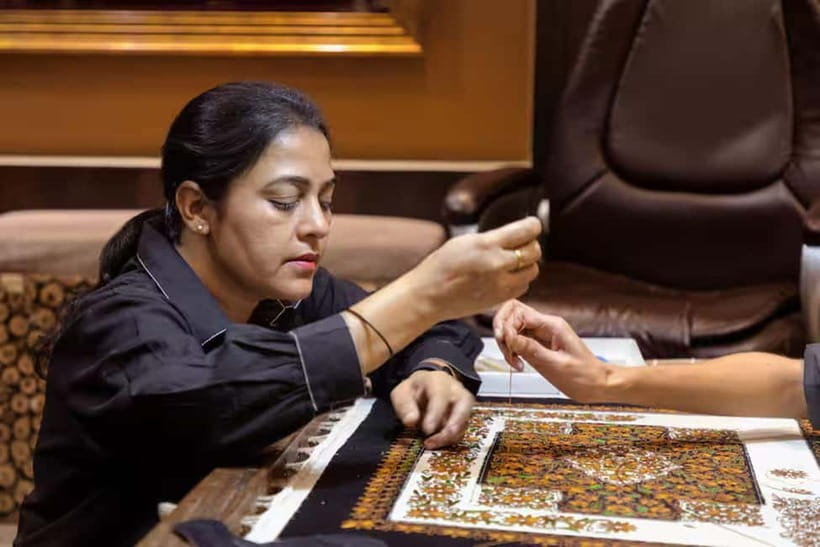
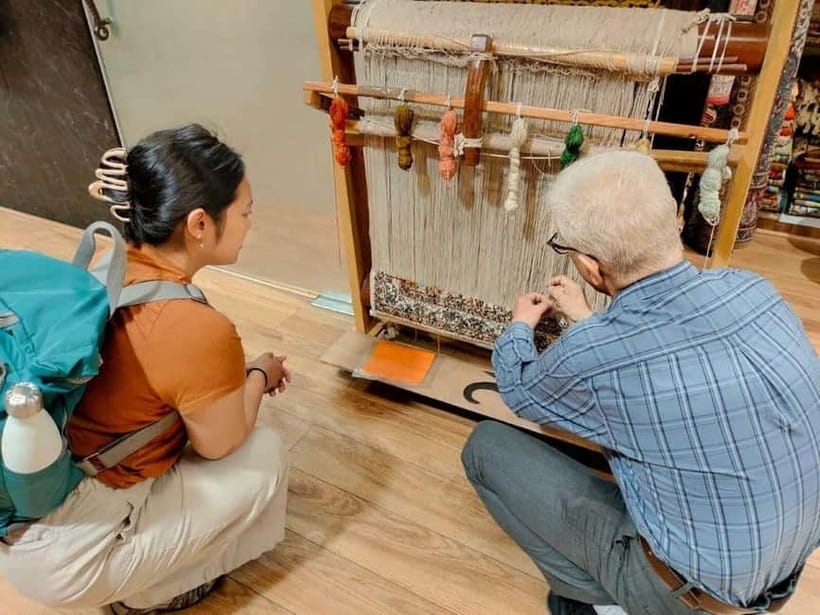
Delhi’s textile trade is more than a chance to buy fabric. The tour connects the finished cloth in shops with the work that produces it: spinning, dyeing, weaving, printing and stitching. Depending on the craft stops included, you may see techniques such as carpet weaving, Pashmina scarf making, handloom weaving, zari embroidery, block printing and natural dyeing.
That process matters when you shop. A finished scarf or embroidered piece can look simple on a shelf, but seeing how it is made gives you a better sense of the time and skill behind it. Talking with artisans also gives you a chance to ask about technique and the meanings attached to particular designs.
The experience is designed for people interested in art, fashion, textiles or Indian craft, but you do not need specialist knowledge to enjoy it. If you are simply curious about how cloth is made, the demonstrations and market visits provide a useful introduction. The guide can help connect what you see in a workshop with the fabrics and garments sold around the city.
More Delhi tours and day trips in Delhi:
- Old & New Delhi City Tour – Half or Full Day Options Available
★ 5.0 · 4,811 reviews - Same Day Taj Mahal, Agra Fort & Baby Taj Tour from Delhi by Car
★ 5.0 · 4,304 reviews - Taj Mahal Day Tour from Delhi by Superfast Train – TOP RATED TOUR
★ 5.0 · 4,166 reviews
Chandni Chowk: Old Delhi by market lane
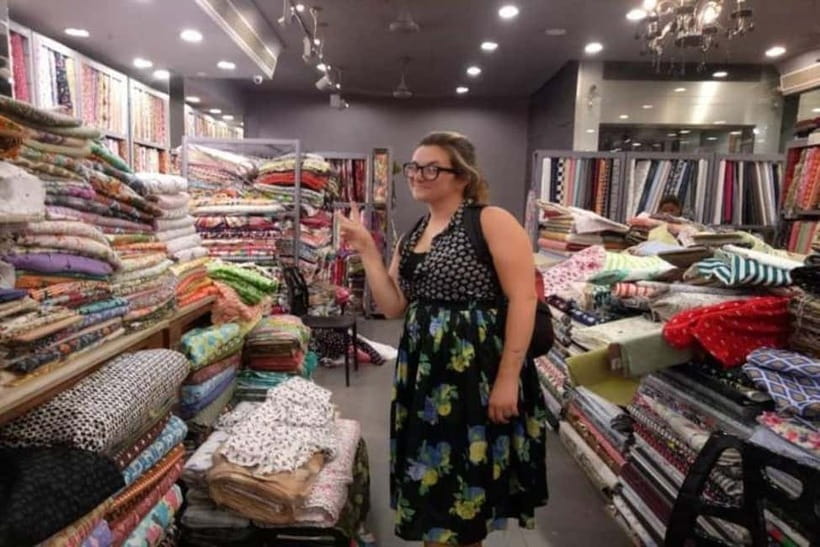
The route begins in Chandni Chowk, one of the busiest parts of Old Delhi. The listed guided visit is two hours, and a cycle-rickshaw ride is included to help you move through the market area. Expect narrow lanes, traffic and plenty to look at. This is not a quiet showroom visit, so stay close to your guide and keep your attention on the route.
That practical support is a real advantage. Guide RK has helped visitors keep together in the traffic and arranged a pedal cab for a visitor who needed an easier way to navigate the narrow streets. If Old Delhi feels daunting on your own, having someone manage the route can make the difference between enjoying the market and spending the visit worrying about where to go.
There may also be more than fabric to notice. One visitor’s outing included spices and local food, alongside textiles and embroidered shoes. Those stops are not a guaranteed part of every route, but they show how a market visit can broaden into a look at everyday commerce and craft.
Shankar Market and the changing pace
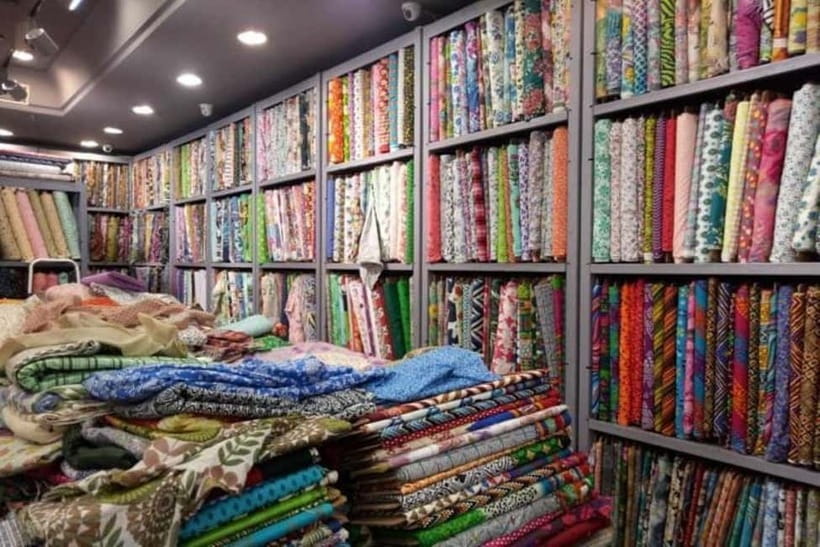
Shankar Market is listed for a one-hour guided visit. The textile trail takes you through a variety of markets, and this stop gives you another chance to compare fabrics and browse at a different point in the city. The tour information highlights open-air markets with raw cloth such as linen, silk, cotton, chiffon, denim, velvet, crepe, georgette and wool.
The value here is comparison. Seeing a range of materials in person lets you judge weight, texture and color more easily than you can from a picture. If you have a garment in mind, bring a clear idea of what you want and ask your guide to help you communicate it. The available details do not specify which shops or fabrics you will visit at each stop, so treat the exact selection as variable.
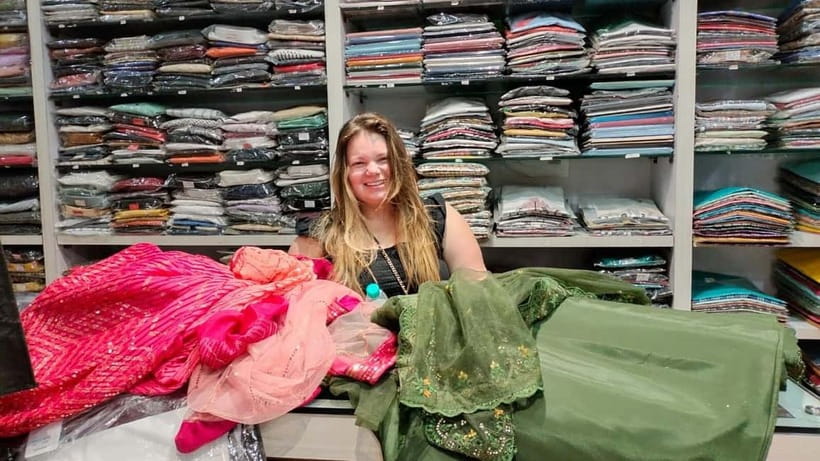
A market stop is also a chance to pause and ask practical questions before buying. Check what the price includes, and make sure you understand the fabric and any tailoring costs. Personal shopping is not included in the tour price.
Dilli Haat and INA Market: room for browsing
Dilli Haat and INA Market are each assigned two-hour visits. With that much time listed for each, these stops could leave room for a slower look at the available textiles, rather than a quick pass through a shop. The tour’s wider focus includes craft centers, boutique studios and artisan cooperatives, some of which support rural makers and fair-trade practices.
The actual stops can vary, so ask how much time will be spent at each market and whether a craft center is part of your chosen route. That matters if your priority is seeing production rather than shopping. A market gives you access to finished goods and raw fabric; a workshop or craft center is where you are more likely to watch a technique and speak directly with the people who practise it.
INA Market is also a useful point to consider your shopping energy. Six listed stops can mean a lot of browsing, and markets can blur together if you are trying to cover everything. Focus on the textiles or crafts you care about most, and let your guide know if you would rather spend longer on one stop.
Or plan the day another way:
- Delhi: Old and New Delhi Private Full or Half-Day Tour
★ 4.9 · 3,776 reviews - Full Day Taj Mahal, Agra Fort & Baby Taj Tour from Delhi by Car
★ 5.0 · 3,647 reviews - From Delhi: Taj Mahal & Agra Private Day Trip with Transfers
★ 4.9 · 3,181 reviews - Taj Mahal Tour from Delhi by Express Train (Viator Award Winner)
★ 5.0 · 2,849 reviews
Shahpur Jat and Hauz Khas: tailoring and design
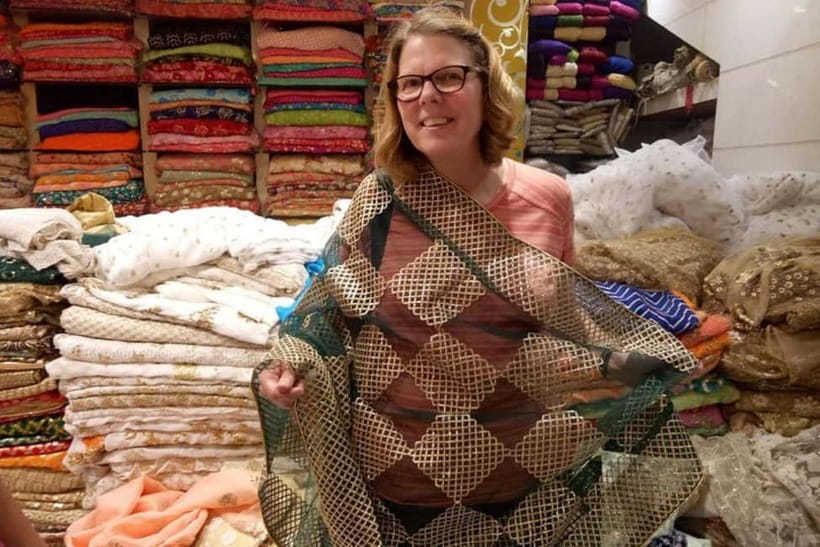
Shahpur Jat is listed for a two-hour visit, followed by a one-hour stop in Hauz Khas. The tour highlights the chance to customize clothing with help from a local tailor. It also says that stitching for men’s business suits and women’s formal wear may be delivered to your hotel within four to six hours.
That quick turnaround could be useful if you have a specific outfit in mind and limited time in Delhi. It is not a reason to leave all decisions until the last minute, though. Ask about fabric, measurements, fitting and delivery before you agree to an order. The experience details do not explain how alterations or follow-up fittings work, so clarify those points directly with the guide or tailor.
Visitors have also arranged bespoke clothing for the following day. That is encouraging, but it should not be treated as a guarantee for every garment or schedule. If tailoring is your main reason for booking, tell the operator in advance and confirm what can realistically be made during your visit.
The guide makes a difference
This is a private-group tour with an English-speaking guide, hotel or airport pickup, transport between stops and mineral water. Guides named by visitors include RK, Shehla and Sahil. You may not have the same guide, but the accounts give a sense of what helpful guiding can mean here: safe movement through busy lanes, flexibility when someone needs a slower pace, and explanations about local history and landmarks.
The guide’s role is especially important because the tour combines several kinds of stop. You may be moving from a crowded market to a craft center, then back into the city for more browsing. A good guide can help you understand what you are seeing and keep the day manageable. You can also tell the guide what matters most to you, whether that is a particular textile, watching a technique or finding a tailor.
One visitor came during monsoon season, and the guide still took them to textile businesses. Weather can affect how comfortable the day feels, so wear shoes you can walk in and be prepared for changing conditions. A camera is useful, but flash photography is not allowed.
What $53 buys, and what it does not
At $53 per person, the price covers more than a guide. It includes pickup and drop-off from Delhi, Gurugram, Noida or Faridabad, transport to the stops, the guided textile trail, artisan interactions, market visits, mineral water and the Old Delhi cycle-rickshaw ride. For a private outing that can run up to eight hours, those inclusions make the price reasonable, particularly if you would otherwise need to arrange separate transport and navigate the markets yourself.
The price does not cover meals, other beverages or personal purchases. That matters on a shopping-focused outing: fabric, tailoring and souvenirs can add substantially to the total. Set a budget before you go, and ask about prices and tailoring charges before committing. Bargaining may be part of shopping in some markets; one visitor specifically advises negotiating, but do so politely and with a clear idea of what you are willing to pay.
There is also a timing question worth sorting out before booking. The route lists two hours in Chandni Chowk, one in Shankar Market, two each in Dilli Haat, INA Market and Shahpur Jat, and one in Hauz Khas. Those visits total ten hours, while the overall tour is described as four to eight hours. Ask which stops are included in your chosen duration, and whether the route can be adjusted to your interests.
Who should book this tour
I would choose this experience if you care about textiles, want help finding your way through Old Delhi, or would like to combine shopping with a look at how cloth is made. It also suits anyone who wants a tailor’s help and can make time for measurements and decisions. The private format gives you more room to explain what you want than a large group tour would.
It is less suited to someone looking for a quiet, museum-like introduction to Indian textiles. Markets are busy, the itinerary may involve substantial walking, and the exact balance between workshops and shopping can vary. The tour is not suitable for wheelchair users or people with mobility impairments. If you have a health or mobility concern that is not covered by that description, contact the operator before booking and explain what you need.
The tour has a 4.7 rating from four reviews, a small sample, so treat that number as a promising sign rather than a guarantee. The strongest practical reasons to book are the guided access to Old Delhi, direct contact with artisans and the chance to shop with local help. Confirm the route and timing first, especially if you have a short day or a specific tailoring request.
FAQ
How long does the tour last?
The stated duration is four to eight hours. The listed visits add up to ten hours before travel, so ask which stops fit into your selected tour length.
Where can pickup and drop-off be arranged?
Pickup and drop-off are available in Delhi, Aerocity, Gurugram, Noida and Faridabad. Hotel and airport pickup are included.
Is the tour private?
Yes. It is offered as a private-group experience with an English-speaking guide.
Which textile techniques might I see?
The tour may include weaving, carpet making, Pashmina scarf making, block printing, handloom weaving, zari embroidery and natural dyeing.
Are shopping costs included?
No. Personal shopping expenses are extra, as are meals and beverages.
Is transport between stops included?
Yes. Necessary transport to and from the attractions is included, along with a cycle-rickshaw ride for the Old Delhi markets.
Can I have clothing made during the tour?
The tour information says men’s business suits and women’s formal wear can be stitched and delivered to your hotel within four to six hours. Confirm the garment, timing, measurements and cost with the guide or tailor.
What should I bring?
Wear comfortable walking shoes and bring a camera. Be prepared for changing weather, and note that flash photography is not allowed.
Is the tour suitable for wheelchair users?
No. It is listed as unsuitable for wheelchair users and people with mobility impairments.
Latest reviews from Delhi
- Taj Mahal Day Tour with Private Car and Driver from New Delhi★ 5.0 · 8 reviews
- Old & New Delhi City Private Full Day or Half Day Tour★ 5.0 · 32 reviews
- Dalai Lama Himalayan Trek★ 5.0 · 8 reviews
- Private Delhi Shopping Tour with Female Expert★ 5.0 · 7 reviews
- Private Transfer Delhi -Jaipur || Jaipur- Delhi★ 5.0 · 37 reviews
- Delhi Custom And Shopping Tour★ 4.5 · 9 reviews
- Old Delhi Morning – Fun, Food & Faith all inclusive private tour★ 5.0 · 49 reviews
- Delhi Private City Tour: Customize your own★ 4.5 · 14 reviews
Delhi Tours, compared.
Old & New Delhi City Tour – Half or Full Day Options Available
Read our review →
Same Day Taj Mahal, Agra Fort & Baby Taj Tour from Delhi by Car
Read our review →
Taj Mahal Day Tour from Delhi by Superfast Train – TOP RATED TOUR
Read our review →


Taj Mahal Tour from Delhi by Express Train (Viator Award Winner)
Read our review →
All Inclusive Private Taj Mahal Luxury Tour from Delhi by Car
Read our review →