
Reviewed · DELHI SLUM TOURS
Delhi: Ethical Sanjay Colony Slum Tour
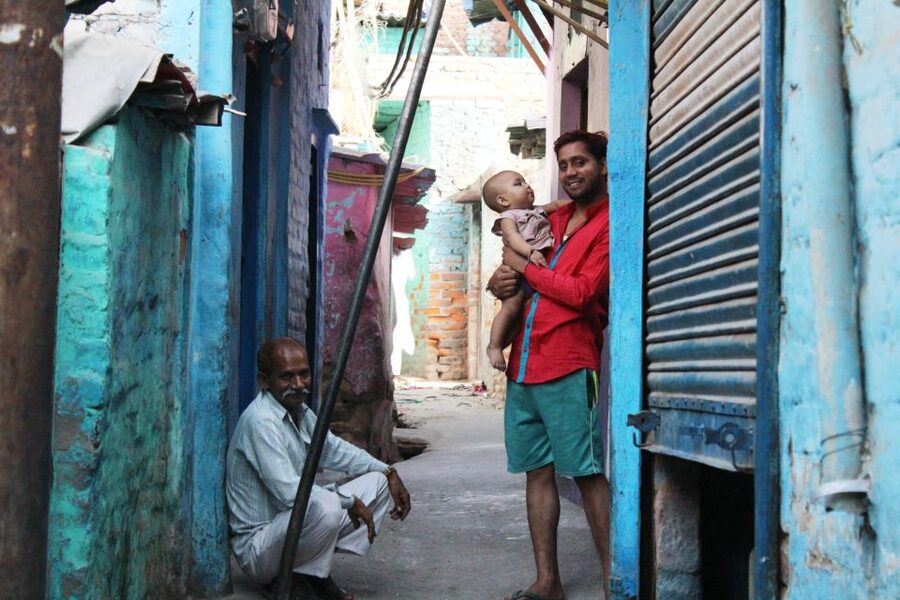
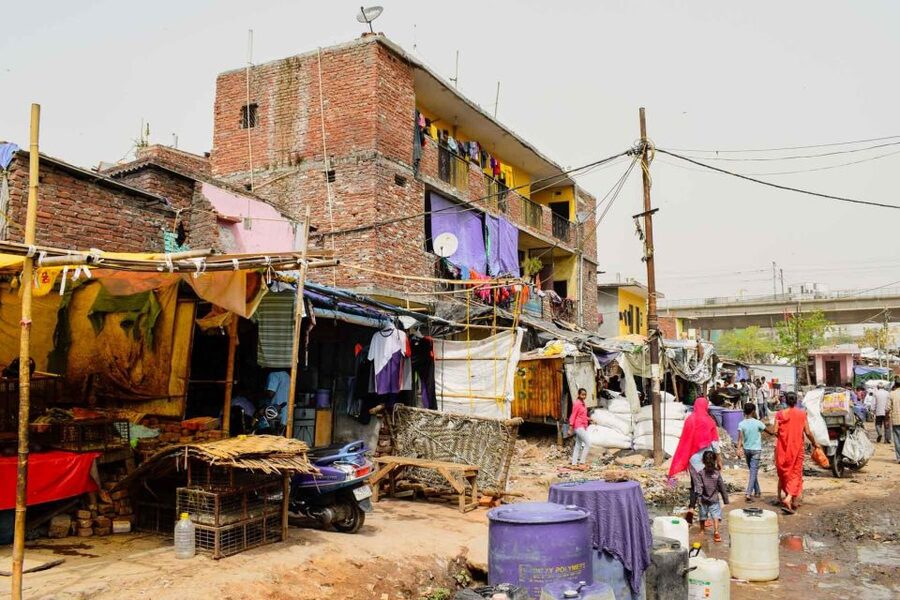
Sanjay Colony is not a monument with a ticket booth and a quick photo stop. It is a working neighbourhood of about 50,000 people, where garment scraps are sorted and reused, small businesses operate beside homes, and daily life unfolds in narrow lanes. A local guide gives you context that would be hard to find by walking through on your own.
I like two things in particular: the chance to understand the garment-recycling trade up close, and the way the tour treats residents as neighbours, not scenery. The guide can explain how work, housing, education and community life fit together, while the no-camera rule keeps attention on people rather than pictures.
One consideration: this is a visit to a densely populated community with challenging living conditions, not a polished attraction. You need to dress modestly, wear closed-toe shoes and accept that some paths may be dirty, especially during monsoon season.
What matters before you book
- Sanjay Colony covers about 25 acres near the Lotus Temple and ISKCON Hare Krishna Temple in south Delhi, and is home to roughly 50,000 people.
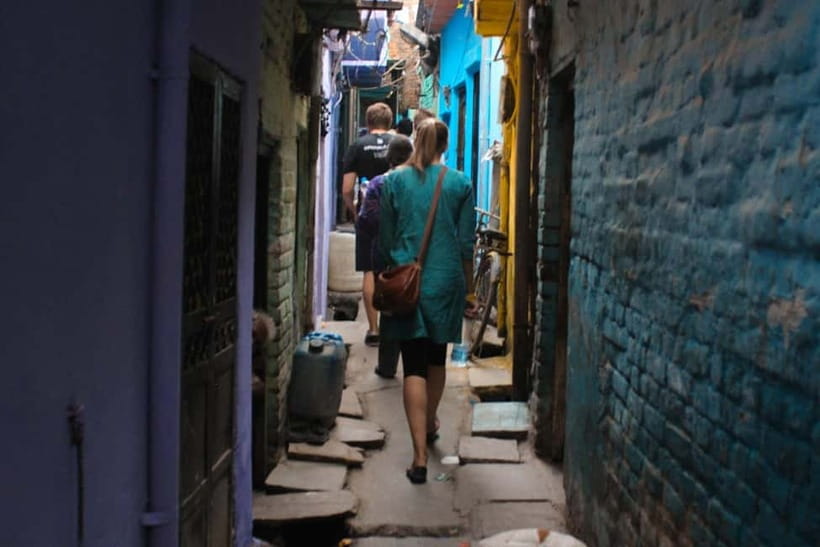
- Garment recycling is a central stop: you may see fabric scraps sorted and reused, alongside other local trades such as automotive parts and electronics.
- The guide is the key to the visit: guides including Komal, Kiran, Naresh and Kavita have led tours, explaining social and economic realities and answering questions.
- Photography is not allowed: leave your camera behind and keep your phone away for pictures, too.
- The tour takes two to three hours and costs about $18 per person, with a local guide and water or a cold drink included.
- The tour supports community work: Reality Gives works with local NGOs and brings education programs to Sanjay Colony.
A neighbourhood, not a display
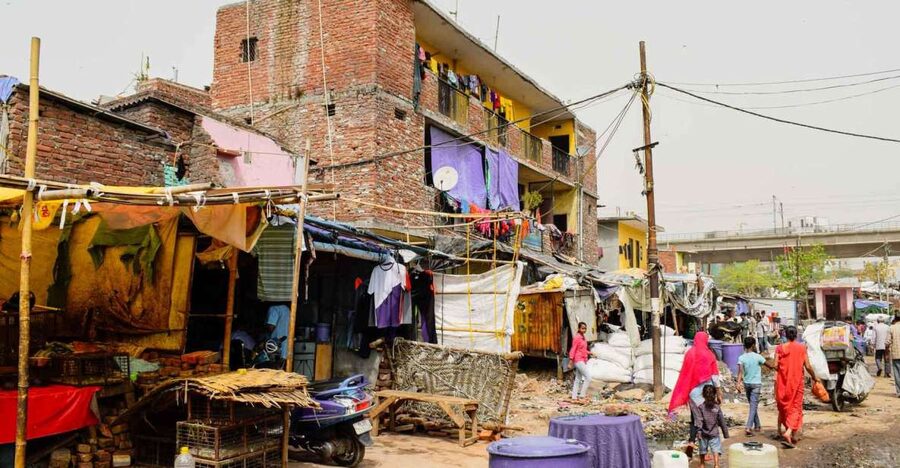
Sanjay Colony was built on forest land and now sits beside one of India’s largest industrial areas. Its compact 25 acres contain homes, shops, religious spaces and small-scale work sites. The word slum can make a place sound like one thing, but here you encounter a whole neighbourhood, with varied occupations, relationships and routines.
That distinction matters. You are not going to see poverty from a safe distance, then leave with a tidy lesson. You are entering a lived-in community, and the purpose of a responsible visit is to understand something about its daily realities without treating residents as an exhibit.
A guide helps make that possible. People who live and work in the area can explain what you are seeing, and why the same lane can serve as a route to work, a place for children to play and a connection between neighbours. Some guides, including Dolly and AJ, have personal ties to the colony. Their perspective can add a human scale to issues that otherwise sound abstract.
The tour also encourages conversation. You can ask about work, housing, education and infrastructure, and your guide can explain what is known and what remains difficult. Go with curiosity, but remember that residents are not obliged to answer personal questions or pose for your attention.
More community walks in Delhi:
- Sanjay Colony Slum Tour
★ 5.0 · 498 reviews - New Delhi Slum Walking Tour
★ 5.0 · 360 reviews - New Delhi: Sanjay Colony Slum Tour with Local Guide
★ 5.0 · 97 reviews
Following the work behind the fabric
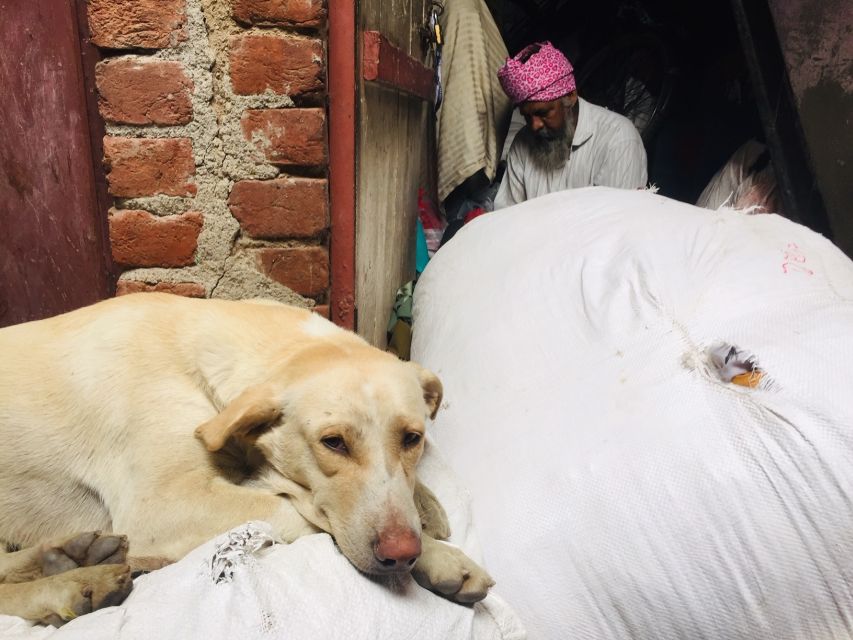
The garment-recycling and manufacturing activity is one of the most memorable parts of the walk. Fabric scraps from nearby garment factories are sorted and put to use again. You may see women sorting heaps of cloth on the street and men sewing in small workshops, a practical chain of labour that turns discarded material into something useful.
This is more than an interesting craft detail. It gives you a view of the informal economy that keeps the area working. The tour also points to businesses connected with automotive parts and electronics, showing that Sanjay Colony’s work is not limited to clothing.
The stops at S.K. Beri & Brothers and Vijay Pratap are part of the business visits. Their names appear in the route, but the precise activity at each stop can vary with what is operating and accessible on the day. Your guide’s explanation is what makes a short visit useful: instead of simply glancing into a workplace, you can ask how a local business fits into the area’s economy.
The route is not a factory tour, and you should not expect a demonstration arranged for visitors. The point is to observe work as it happens, respectfully, and to understand its place in ordinary life. That makes the visit less predictable than a staged attraction, but also more grounded.
Religious spaces and the ties between neighbours

The route includes a small Hindu temple and Jama Masjid Sanjay Colony. These stops offer a brief look at religious life within the neighbourhood, rather than a formal tour of grand architecture. Their value is in seeing how places of worship sit within the same everyday fabric as homes and workplaces.
Your guide can help explain the community’s social structure and the relationships that cross religious and cultural lines. The tour describes a strong sense of community, while also making room for the fact that differences exist. It is better to take that as a prompt to listen than as a simple claim that every challenge has been overcome.
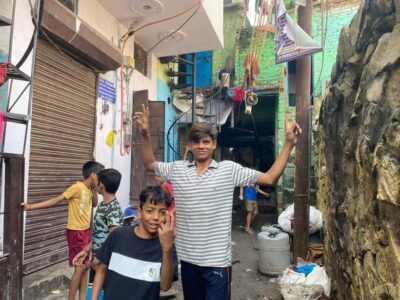
Children may wave or try to talk with you along the way. A friendly hello is fine, but keep the interaction natural and do not turn it into a photo opportunity. With the no-photography rule, you can give people your attention rather than framing them for a souvenir.
The route, from meeting point to final stop
The meeting point can vary by booking. Listed starting options include Harkesh Nagar, Harkesh Nagar Okhla and Rajiv Chowk Metro Station. The route then moves through Sanjay Colony, with a short safety briefing before the walk begins.
If you are meeting at Rajiv Chowk, confirm the exact meeting point and look for your guide carefully. The metro station and its surroundings can be confusing, and a clear plan helps you avoid an anxious start. One useful option is to save any written meeting instructions before leaving your hotel.
After entering the colony, expect a guided walk through business areas and residential lanes. The named business stops include S.K. Beri & Brothers and Vijay Pratap, followed by a visit to Jama Masjid Sanjay Colony. The route also allows time at a viewpoint and at Reality Tours & Travel in Delhi, where the wider education and community work can be explained.
The itinerary includes several short stops, some around five to fifteen minutes, and longer stretches of walking and explanation. These timings are a guide, not a promise that every stop will unfold in exactly the same way. What is happening in a working neighbourhood may shape what you see, and the total outing lasts about two to three hours.
The listed drop-off points are Harkesh Nagar, Harkesh Nagar Okhla and Harkesh Nagar Okhla Metro Station. Hotel pickup and drop-off are not included, so plan your own route to and from the meeting area.
More Delhi tours and day trips in Delhi:
- Old & New Delhi City Tour – Half or Full Day Options Available
★ 5.0 · 4,811 reviews - Same Day Taj Mahal, Agra Fort & Baby Taj Tour from Delhi by Car
★ 5.0 · 4,304 reviews - Taj Mahal Day Tour from Delhi by Superfast Train – TOP RATED TOUR
★ 5.0 · 4,166 reviews - Delhi: Old and New Delhi Private Full or Half-Day Tour
★ 4.9 · 3,776 reviews
A guide who makes the visit make sense
The quality of the explanation is central to this tour. Names that have led visits include Komal, Kiran, Naresh, Kavita, Khushi, Tarun and AJ. The experience can be especially personal when a guide has grown up in the colony or has a strong connection to it, as AJ has described his own path through education.
You can expect a guide to explain what you are seeing, invite questions and make the walk feel safe and respectful. English and Hindi are offered. The best questions are open and practical: how a trade works, what education options are available, or what makes daily life easier or harder.
The walk is available as a shared or private tour. On a shared outing, you may have other participants with you, which can bring different questions into the conversation but gives you less control over the pace. A private option is limited to you and your friends or family, and may suit anyone who wants more space for questions.
Why the no-camera rule matters
The no-photography policy is strict. Do not bring a camera, and do not take pictures with your phone. This rule protects residents’ privacy and changes the feel of the visit: you are there to pay attention, not to collect images of other people’s homes and work.
That restriction may disappoint anyone hoping to document every stop, but it is a sensible boundary in a residential area. There are no major monuments to photograph along the route anyway. The value is in the stories, the work you observe and the conversations you have, rather than in a gallery of pictures.
Wear modest clothing. Low-cut or sleeveless tops and short shorts are not allowed. Comfortable closed-toe walking shoes are recommended because some lanes can be dirty, particularly from June to mid-September, during the monsoon months. Leave pets, strollers, luggage and large bags at home or at your accommodation.
The community benefit and the $18 cost
At about $18 per person, the tour offers two to three hours of guided walking, a local English-speaking guide and water or a cold drink. Food, hotel transport and pickup are not included. The price is modest for a guided experience, but its value is not measured only in minutes or stops.
Reality Tours and Travel operates the experience in connection with Reality Gives, which works with local NGOs and supports education efforts in Sanjay Colony. The tour’s stated model directs 80 percent of profits to community programs, including education. That gives the visit a purpose beyond access, though it is still worth thinking of the tour as an educational exchange, not as a donation that entitles you to look wherever you please.
The operator’s work includes English and computer classes for children, and the tour helps explain how education fits into longer-term opportunity. You see some of the local setting and hear how the organization works, rather than being asked to judge impact from a brief visit. That is a useful distinction: one walk cannot explain or solve the pressures facing a community, but it can help you understand more than a passing view from the road.
Is this the right Delhi tour for you?
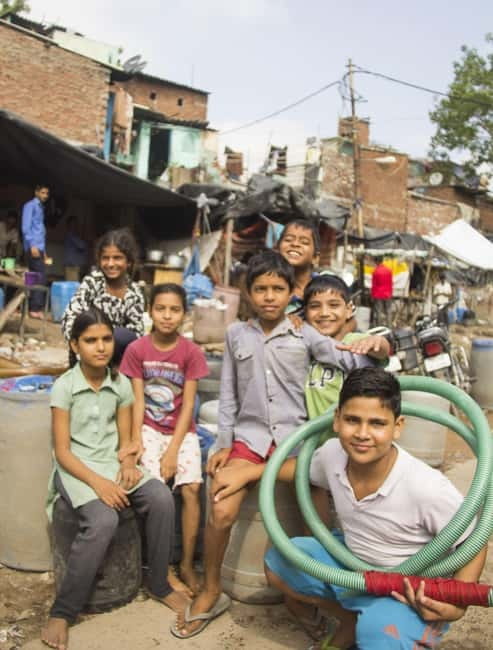
Book this if you want to understand a side of Delhi that is not represented by its temples, markets and major sights. It suits curious visitors who are comfortable asking thoughtful questions, walking through working and residential areas, and respecting a firm privacy rule.
Skip it if you want a light entertainment outing, a photo-focused tour or a smooth, highly staged experience. Sanjay Colony is a real neighbourhood with difficult conditions, and the visit asks you to notice both its economic challenges and its strengths without reducing either to a simple story.
For me, the strongest reason to go is the combination of a local guide, visible small-scale work and a clear effort to support education. Go with modest clothes, sturdy shoes and an open mind. Leave the camera behind, and you are more likely to leave with an understanding of how a community works than with a collection of images.
FAQ

How long does the Sanjay Colony tour last?
The tour takes about two to three hours, depending on the selected start time and the route on the day.
How much does the tour cost?
The listed price is about $18 per person. Check the booking option for the current price.
What languages are available?
The live tour guide speaks English or Hindi.
Can I take photos during the tour?
No. Photography is strictly prohibited to protect residents’ privacy. Cameras are not allowed on the activity.
What should I wear and bring?
Wear modest, comfortable clothing and closed-toe walking shoes. Low-cut or sleeveless tops and short shorts are not allowed.
Where does the tour start?
Starting points may include Harkesh Nagar, Harkesh Nagar Okhla or Rajiv Chowk Metro Station. The meeting point depends on the option booked.
Is the tour private or shared?
Both options are available. Shared tours may include other participants, while private tours include only you and your friends or family.
Can I cancel the booking?
You can cancel up to 24 hours in advance for a full refund.
Latest reviews from Delhi
- Taj Mahal Day Tour with Private Car and Driver from New Delhi★ 5.0 · 8 reviews
- Old & New Delhi City Private Full Day or Half Day Tour★ 5.0 · 32 reviews
- Dalai Lama Himalayan Trek★ 5.0 · 8 reviews
- Private Delhi Shopping Tour with Female Expert★ 5.0 · 7 reviews
- Private Transfer Delhi -Jaipur || Jaipur- Delhi★ 5.0 · 37 reviews
- Delhi Custom And Shopping Tour★ 4.5 · 9 reviews
- Old Delhi Morning – Fun, Food & Faith all inclusive private tour★ 5.0 · 49 reviews
- Delhi Private City Tour: Customize your own★ 4.5 · 14 reviews
Delhi Slum Tours, compared.





Slum Tour – Sanjay Colony Slum Guided Walking Tour in DELHI
Read our review →Browse the lists this tour appears in