
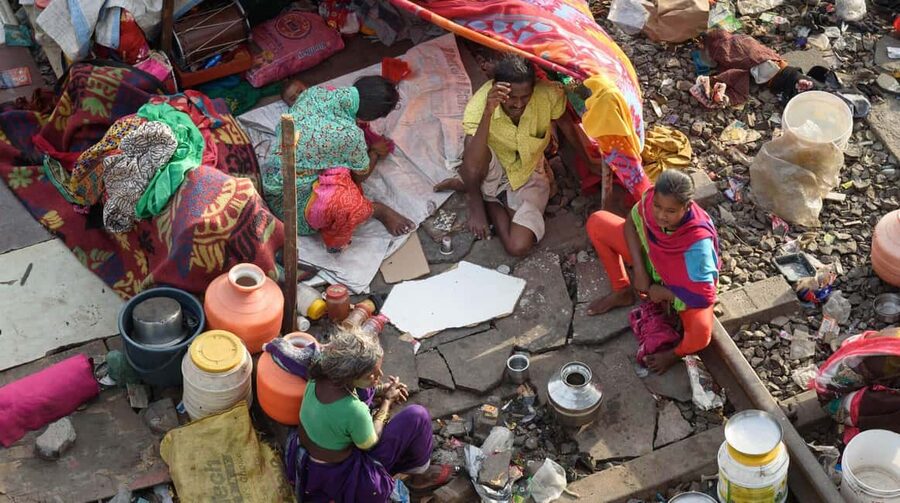
Reviewed · DELHI SLUM TOURS
Delhi: Old Delhi Slum Tour by Metro or Car
Old Delhi’s Sadipur neighborhood is not a monument or a staged attraction. It is a place where people live and work, and this guided walk aims to help you understand daily life there through conversations, local businesses, and the perspective of a guide with ties to the community.
I like two things in particular: the chance to hear how residents make a living, including through garment work and other small industries, and the personal connection guides such as Aamir and Sunny bring to the walk. Their relationships with families and children can make the visit feel more like a community introduction than a tour of a spectacle.
The main consideration is that this is a visit to people’s homes and neighborhood, not a polished sightseeing route. Stops can vary, and the tour has a strict no-photography rule. Go ready to listen and walk, not to collect pictures.
What to know before you go
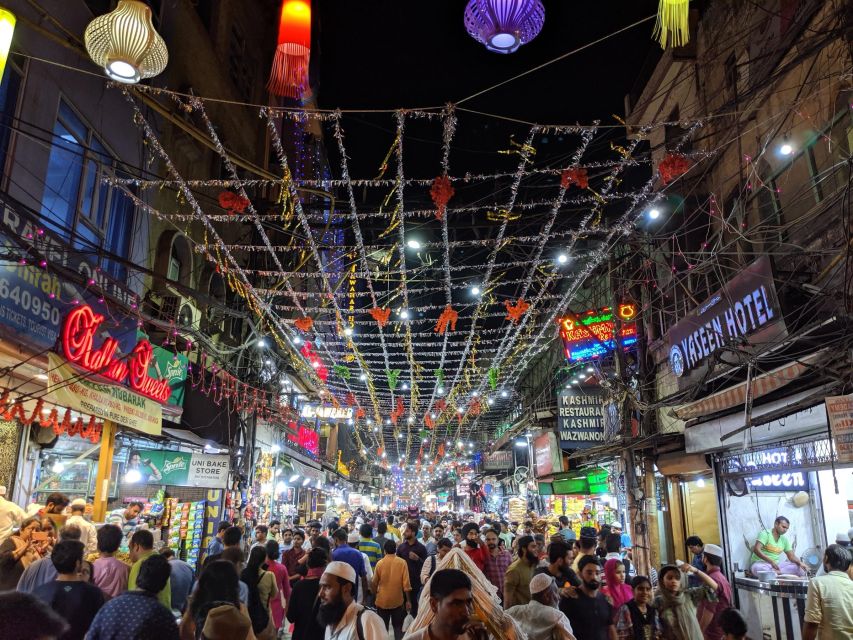
- A local guide sets the tone: Guides including Aamir, Sunny, and Gaurav have led visitors through the area. Some have grown up there or work with local children.
- The walk looks at livelihoods: Expect to hear about garment work, artisans, small businesses, and the economic pressures residents face.
- Home visits can be personal: Tea or chai with a family may be part of the experience, though the exact stops can vary.
- Two hours means a compact visit: The planned walk includes several short stops, so conversations and the route may shape how long you spend at each one.
- Come dressed and shod for the lanes: Wear modest clothing and comfortable, closed-toe shoes. Some areas can be dirty, especially during monsoon months.
- Plan for privacy, not photos: Cameras are not allowed. The rule protects residents’ privacy and is central to visiting respectfully.
A neighborhood walk, not a poverty exhibit
A slum tour calls for care. The point should not be to stare at hardship or treat people’s homes as scenery. This walk is framed around meeting residents, learning how the neighborhood works, and hearing about both challenges and community efforts from someone who knows the place.
That difference matters. A guide can explain what you cannot read from a passing glance: how work is organized, what draws families to the city, and what people are doing to improve their prospects. Visitors have also described meeting children connected to an after-school learning program and seeing the guide’s volunteer work. Those encounters can give the visit a practical focus, but remember that the neighborhood is someone’s home first.
The tour is offered by India Tour Solution, with a private guide and private group option available. English, German, and Hindi are listed as tour languages. The guide’s connection to the area is a key part of the experience. Aamir and Sunny are names associated with tours here, and Gaurav has also guided visitors. You cannot assume a particular guide will be available, but you can expect the experience to depend heavily on who leads it.
More Old Delhi tours in Delhi:
- The Great Indian Food Tour: Old Delhi Food and Heritage Walk
★ 5.0 · 1,698 reviews - Old Delhi Food, Heritage&Cultural Walk with Rickshaw ride to Masterji Kee Haveli
★ 5.0 · 742 reviews - Old Delhi Bike Tour
★ 5.0 · 616 reviews
Meeting near Sadipur Metro Station
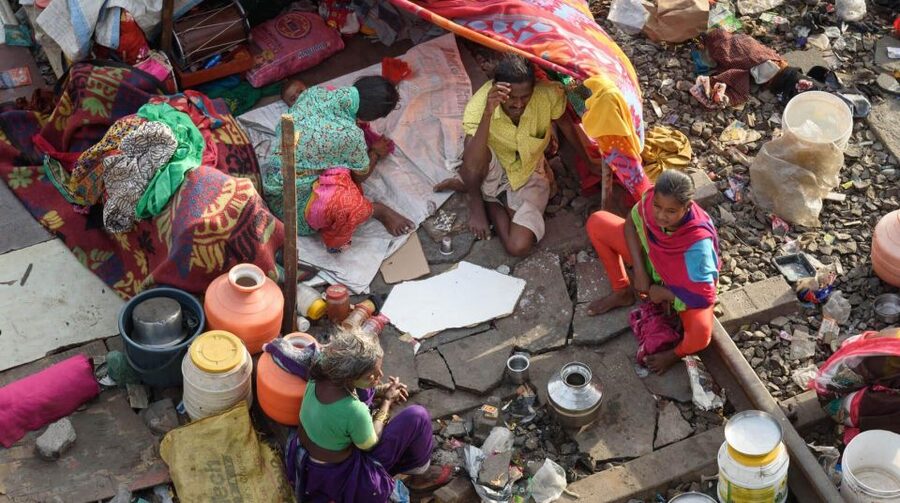
For the metro option, the meeting point is Sadipur Metro Station, near Burger King. Your guide begins with a short introduction to Old Delhi and the Sadipur neighborhood, including the purpose of the visit and how to behave respectfully. If you choose a pickup option, the starting point depends on that selection. Hotel pickup and drop-off, and a tuk-tuk ride, are included only with the relevant option.
That first briefing is useful. It gives you a chance to ask questions before entering residential lanes and to hear what is and is not appropriate. The clearest rule is no photography. One account of the experience describes taking mobile-phone pictures, but the stated tour guidance is strict: do not bring or use a camera on the activity. Follow the rule rather than relying on a one-off exception.
The planned route is about two hours. Its stops are described as a community center, a walk through narrow lanes, a local home, artisans, and a small business. In practice, routes can shift. A family visit may be to the guide’s own family or a friend’s home, and not every planned stop is guaranteed. Keep your expectations flexible, and let the guide explain what is possible that day.
The community center and local projects
The visit may include a community center that supports social activities, education, vocational training, or community development. This is one of the most useful stops if you want to understand how local support works beyond the household level. Rather than hearing only about problems, you can learn what residents and community groups are doing to address them.
Some guides have a direct role in local education. Sunny, for example, is associated with a children’s learning program, and visitors have described meeting children he mentors. That connection can make the discussion concrete: you hear about a local effort from someone involved, rather than receiving a general lecture about social conditions.
Still, treat the center visit as a possible part of the route, not a guarantee. A walk may focus instead on homes and neighborhood life. If seeing a specific project is important to you, ask about the planned stops when arranging the tour.
Narrow lanes and the work of daily life
The longest section is a guided walk through narrow lanes, planned for about 40 minutes. Here, the neighborhood’s day-to-day rhythm is the subject. You may pass street vendors, children playing, homes, workshops, and small-scale businesses. Your guide can explain how residents earn money and how different forms of work fit into the local economy.
Garment work is a particular focus, alongside other micro-industries. The details are valuable because they move the conversation beyond broad labels. A neighborhood is not only a place where people face hardship; it is also a place where they make, repair, sell, teach, and organize. If you are interested in how cities function at street level, this part of the tour offers a closer view than a drive past the area.
The lanes can be narrow and, at times, dirty. Closed-toe shoes are recommended, especially during the monsoon season from June to mid-September. Wear something modest and practical, and keep your hands free where possible. You will be walking, stopping to listen, and making room for residents to go about their day.
More community walks in Delhi:
- Sanjay Colony Slum Tour
★ 5.0 · 498 reviews - New Delhi Slum Walking Tour
★ 5.0 · 360 reviews - Delhi: Ethical Sanjay Colony Slum Tour
★ 4.9 · 242 reviews - New Delhi: Sanjay Colony Slum Tour with Local Guide
★ 5.0 · 97 reviews
Tea at a family home
A home visit is planned for around 20 minutes. It offers a chance to talk about daily routines, ambitions, and challenges in a setting that is more personal than the street. Some visitors have shared chai with a guide’s family or with friends of the guide. That small gesture can make conversation feel natural, and it gives you a chance to ask questions without turning the walk into a series of quick observations.
The exact home may not be inside the area you have just walked through. One tour account describes visiting the guide’s family home outside the slum before walking through the neighborhood. That is a useful reminder that the route can vary from the outline. The important point is the conversation and the host’s willingness to welcome you, not ticking off a particular address.
Approach the visit with the same courtesy you would bring to anyone’s home. Listen more than you photograph, and let your host decide what they are comfortable discussing. The no-camera policy helps keep the encounter focused on people rather than on documenting their living conditions.
Artisans, shops, and local spending
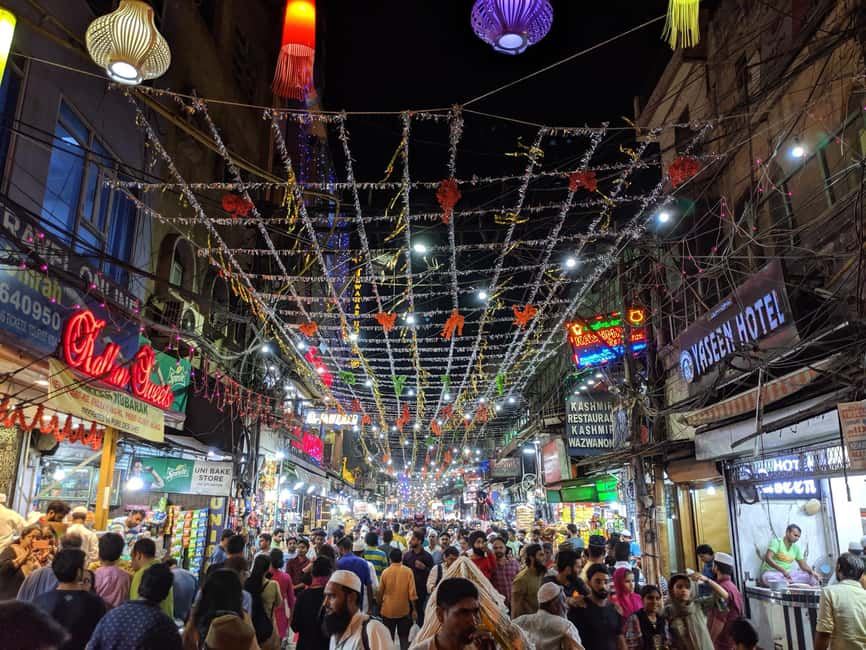
The route may include a visit to artisans, with embroidery or pottery given as examples of crafts you might encounter. You can ask about how the work is made and what it takes to sell it. There may be an opportunity to buy a handmade item, which can put money directly toward a local livelihood. Buying is optional, not the purpose of the visit.
A small business run by a resident may also feature. This stop is meant to show how entrepreneurship can support household income and create more options for a family. You can choose to make a purchase, but there is no need to feel pressured. A respectful question and a genuine interest in the work are worthwhile even if you do not buy anything.
These stops are among the parts most likely to vary. A visitor has described a tour that included a home and a walk but not the advertised community center, artisan shop, or local industry. If those specific encounters matter to you, confirm the likely route in advance. If you are open to following the guide’s local connections, the variation may lead to a more personal visit.
Children, community, and good manners
Children are often part of the neighborhood scene, and some guides have strong ties to local children through teaching or mentoring. Meeting them can be a memorable part of the walk, especially when a guide introduces you through an existing relationship. But do not treat children as photo subjects or assume they are there to entertain visitors. The tour’s photography rule applies, and their ordinary day deserves respect.
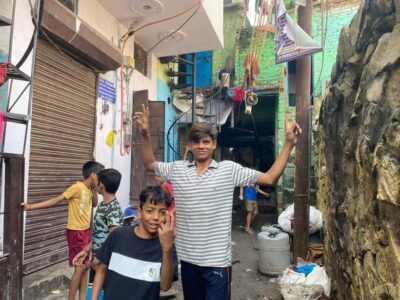
Some visitors have described dancing or spending time with children connected to an after-school program. That is a warm possibility, not a guaranteed performance. Go in with no expectation that children will gather around you. The best interaction is the one that happens naturally and with the guide’s direction.
I would avoid arriving with a plan to hand out sweets or gifts. The useful contribution built into the tour is listening, supporting a local business if you genuinely want to, and respecting the people who welcome you. Your guide can explain what is appropriate if a question comes up.
The guide matters more than the route
This is a guide-led experience, and the guide’s judgment shapes its quality. Aamir is described as having grown up in the area and as being able to explain both the pressures residents face and the efforts underway to improve daily life. Sunny is associated with education and mentoring work, and visitors have appreciated his introductions to family and community members. Gaurav has also been praised for patient explanations.
Those personal ties can help you understand details that would otherwise be easy to misread. They can also make the walk feel safe and welcoming, including for a solo visitor. Still, no guide can speak for every resident. Treat one person’s account as a local perspective, not as a complete explanation of life across Delhi or India.
If you have questions about work, migration, housing, or education, ask them plainly and politely. A good conversation is more useful than arriving with a fixed story about what you expect to see. The guide can help you place individual experiences in context, while residents remain free to share only what they choose.
Is $19 fair value for two hours?
At $19 per person, the price is modest for a private-guide experience, especially if you value local conversation over a long list of sights. The fee covers the guide, and water or a cold drink is included. Other drinks are not included. Hotel pickup and drop-off and a tuk-tuk ride depend on the option you book, so check the transport details before comparing prices.
The value is not in the number of stops alone. It is in having someone introduce you to a community, explain what you are seeing, and help you avoid treating the visit as a spectacle. If the walk includes a home, a local project, or a small business, those encounters can make the price worthwhile. If you expect every stop in the planned outline to happen, you may find the experience less predictable than a conventional attraction.
The activity is listed as wheelchair accessible, and private groups are available. Since the route includes narrow lanes and walking, it is sensible to check whether the specific route suits your needs before booking. The duration is about two hours, though the detailed route may run a little over that, so avoid scheduling a tight connection immediately afterward.
Who should book this walk?
I would choose this tour if you want a grounded view of how people live and work in Delhi, and you are comfortable entering a residential area as a respectful visitor. It is especially suited to people interested in local economies, community education, and the everyday side of city life. It can also work well for a solo visitor who wants a guide and a clear introduction to local etiquette.
It is a poorer fit if you want a predictable sequence of attractions, photo opportunities, or a purely historical tour. There is a firm photography restriction, and the route may change. You should also be ready for uneven, sometimes dirty walking conditions and conversations that may raise more questions than they answer.
Book it for the human perspective, not for a checklist. If you go with curiosity, modest dress, and a willingness to follow the guide’s lead, this two-hour walk can add a thoughtful dimension to a Delhi visit. If you need every stop confirmed, ask about the day’s route before you commit.
FAQ
How long does the tour last?
The activity is listed as two hours. The detailed route may take about 2 hours and 10 minutes, so leave a little room in your schedule.
How much does the tour cost?
The stated price is $19 per person. Pickup, drop-off, and tuk-tuk transport depend on the option selected.
Where does the tour start?
For the metro option, meet your guide at Sadipur Metro Station near Burger King. If you select a pickup option, the starting location depends on that choice.
What languages can the guide speak?
The tour is offered in English, German, and Hindi.
Can I take photographs during the walk?
No. The tour guidance specifies a strict no-photography policy to respect residents’ privacy.
What should I wear and bring?
Wear modest clothing and comfortable, closed-toe walking shoes. Hand sanitizer or tissues are recommended, particularly because some lanes can be dirty.
Is water included, and can I cancel?
Water or a cold drink is included, while other drinks are not. You can cancel up to 24 hours in advance for a full refund.
Latest reviews from Delhi
- Taj Mahal Day Tour with Private Car and Driver from New Delhi★ 5.0 · 8 reviews
- Old & New Delhi City Private Full Day or Half Day Tour★ 5.0 · 32 reviews
- Dalai Lama Himalayan Trek★ 5.0 · 8 reviews
- Private Delhi Shopping Tour with Female Expert★ 5.0 · 7 reviews
- Private Transfer Delhi -Jaipur || Jaipur- Delhi★ 5.0 · 37 reviews
- Delhi Custom And Shopping Tour★ 4.5 · 9 reviews
- Old Delhi Morning – Fun, Food & Faith all inclusive private tour★ 5.0 · 49 reviews
- Delhi Private City Tour: Customize your own★ 4.5 · 14 reviews
Delhi Slum Tours, compared.




Slum Tour – Sanjay Colony Slum Guided Walking Tour in DELHI
Read our review →Browse the lists this tour appears in